Sustainability in the Kitchen: Why It Matters and How James James Kitchens Is Leading the Way
The kitchen is the heart of your home. It deserves to be the heart of your values too.
Sustainability is no longer a buzzword. It's a responsibility, and one that more and more homeowners are taking seriously when making decisions about their homes.
When you invest in a luxury kitchen, you're not just choosing how your space looks and feels. You're making choices about the materials that go into it, the companies behind it, the energy it consumes, and the legacy it leaves. And at James James Kitchens, we believe those choices matter deeply.
This is why sustainability sits at the core of how we design, source and deliver every kitchen we create. From the partners we work with to the materials we specify, every decision we make is considered with both our clients and the planet in mind.
Here's what that looks like in practice, and why it should matter to you too.
Why Sustainability in Kitchen Design Has Never Been More Important
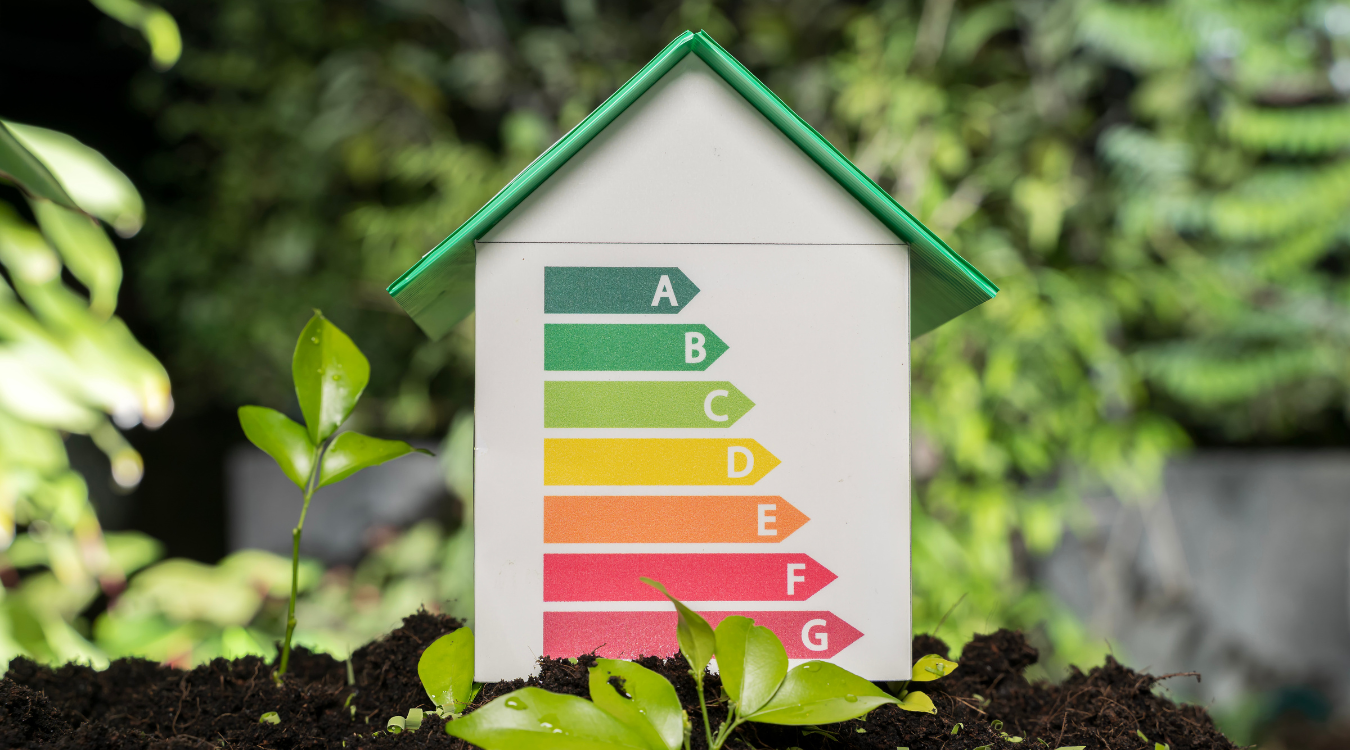
The kitchen is one of the most resource-intensive rooms in any home. Energy, water, materials, waste. The environmental footprint of a kitchen, from the manufacturing of its components to its daily use, is significant. But here's the encouraging truth: it doesn't have to be.
The sustainable kitchen movement has evolved far beyond niche eco-products and compromise. Today, the most beautifully designed, highest quality kitchens in the world are also the most environmentally responsible. Luxury and sustainability are not opposing forces, they are, increasingly, the same thing.
Homeowners across the UK are waking up to this reality. Sustainability is now one of the leading factors in kitchen purchasing decisions, and rightly so. Because when you choose a kitchen designed and built with genuine green credentials, you're not just investing in your home. You're investing in something much bigger.
The Materials That Make the Difference
Sustainable kitchen design begins long before a single cabinet is fitted. It starts with the choice of materials, and this is where the most impactful decisions are made.
At James James Kitchens, we work with suppliers who take material sourcing seriously. Traditional manufacturing processes for kitchen components can be energy-intensive and wasteful, but the industry is changing rapidly. Responsibly sourced timber, recycled content surfaces, low-VOC finishes and engineered materials made with post-consumer recycled content are now available at the very highest levels of quality and finish.
Reclaimed wood, for example, brings extraordinary character to a kitchen (every grain and knot tells a story) while eliminating the demand for newly harvested timber. Bamboo, one of the fastest-growing plants on earth, offers a beautiful and highly renewable alternative to traditional hardwoods. Recycled glass surfaces and engineered quartz with recycled content deliver the luxury aesthetic our clients expect, with a significantly reduced environmental footprint.
The key message here is simple: Sustainable materials are not a compromise. In many cases, they are superior. Richer in character, more considered in their provenance, and more aligned with the values of discerning homeowners who care about where things come from.
Top tip: When planning your kitchen, ask your designer to walk you through the environmental credentials of each material. The best sustainable choices are invisible in the finish but significant in their impact.
Energy Efficiency: The Smartest Investment in Your Kitchen
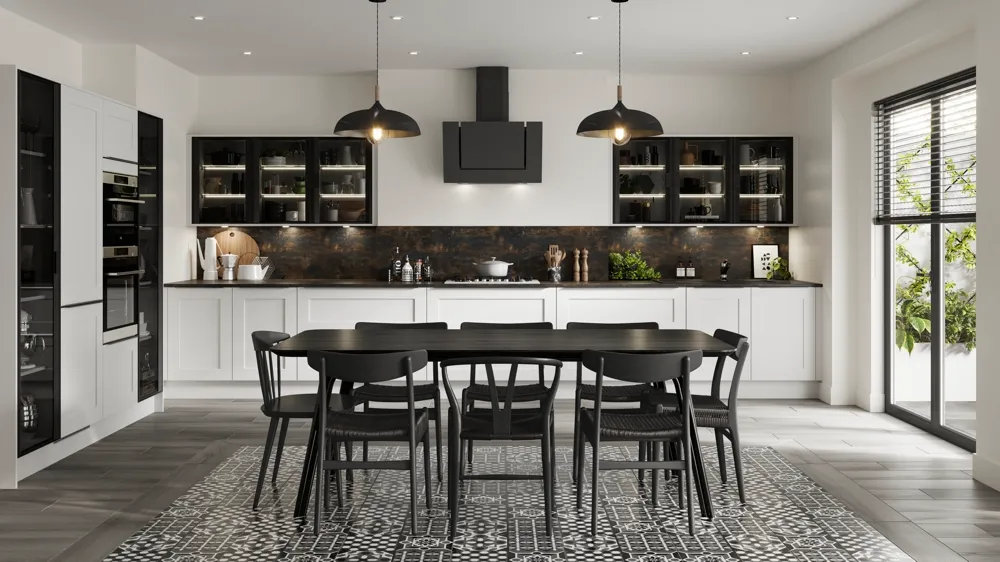
Energy-efficient appliances have transformed the modern kitchen. From induction hobs that heat faster and waste less energy than traditional gas, to A-rated integrated appliances with smart cooling technology, the options available today make it entirely possible to build a kitchen that is both high-performing and low-impact.
Boiling water taps are a perfect example of this. Replacing the repeated cycle of filling and re-boiling a kettle (one of the most energy-wasting habits in any home) with instant, on-demand hot water, they reduce energy consumption while elevating the kitchen experience entirely. It's a feature that feels like pure luxury and functions as a sustainable choice simultaneously.
Smart refrigeration is another area where technology and sustainability align beautifully. Modern integrated fridge-freezers with intelligent temperature management not only preserve food more effectively (reducing food waste) but also consume a fraction of the energy of older models.
Did you know? Switching to an A-rated fridge freezer from an older G-rated model can save up to £190 per year in energy costs. Over the lifetime of a kitchen, the savings (financial and environmental) are considerable.
Water-Conscious Design: Small Changes, Significant Impact
Water scarcity is a growing concern across the globe, and the kitchen is one of the biggest consumers of water in the home. Thoughtful design can change this without asking homeowners to sacrifice a single drop of convenience.
Touchless and sensor-activated taps reduce water wastage significantly. It's estimated that a running tap wastes around six litres of water per minute. Modern dishwashers, designed to operate with minimal water usage while maintaining exceptional performance, use far less water than washing up by hand. Filtered water systems reduce reliance on bottled water, cutting both plastic waste and the carbon cost of transportation.
These aren't grand gestures. They're quiet, considered choices that add up, day by day, year by year, to something genuinely meaningful.
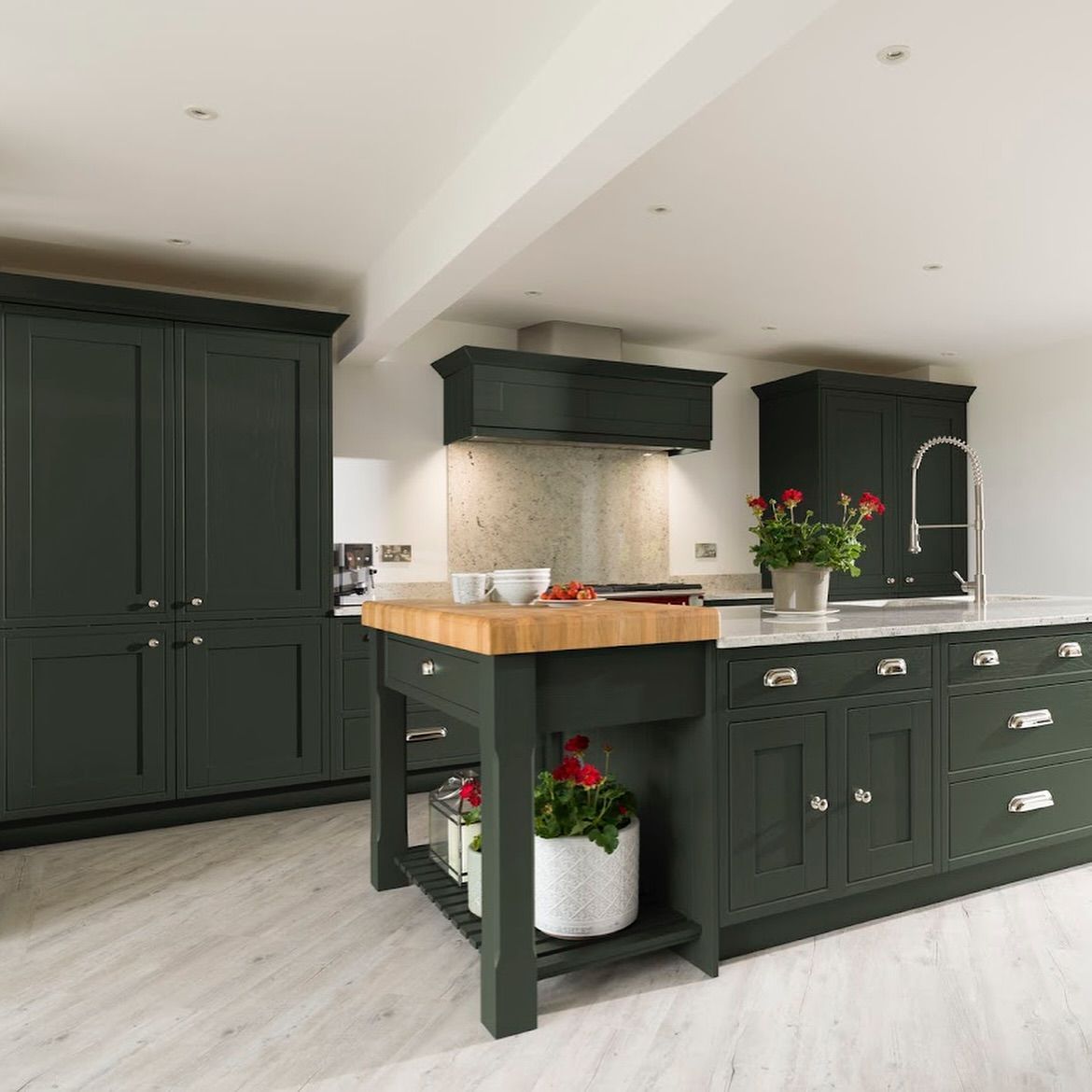
Our Partnership with Companies Such as Symphony Who Have a Shared Commitment to a Greener Future
At James James Kitchens, we are proud to work with Symphony, one of the UK's leading kitchen manufacturers, whose commitment to sustainability matches our own.
Symphony has launched a comprehensive Sustainability Strategy, outlining their ESG (Environmental, Social and Governance) priorities and their pathway towards a Net-Zero carbon future. In 2025, they registered with the Science Based Targets initiative (SBTi), a globally recognised framework that supports businesses in setting science-based carbon reduction targets aligned with international climate goals.
Their targets cover not only their own operations but their entire supply chain, with transparent carbon data to be published once their targets have been reviewed and approved by SBTi. This is exactly the kind of whole-system accountability that meaningful sustainability requires.
Symphony also offers a dedicated 'Ranges with Recycled Content' page, allowing clients to review the sustainable credentials of specific product ranges, making it straightforward to make informed, responsible choices when selecting cabinetry and components
.
The Used Kitchen Company Partnership
One of the initiatives we particularly admire is Symphony's ongoing partnership with The Used Kitchen Company (TUKC). Rather than existing kitchens ending up in landfill, which is an all-too-common outcome of kitchen renovations. TUKC provides a practical, positive alternative.
When our clients are upgrading their kitchen, we encourage them to explore selling their existing kitchen through TUKC. The company handles the entire process, from marketing the kitchen to coordinating dismantling and collection at a time that suits everyone. Not only does this divert quality kitchens from waste streams, it also puts money back in our clients' pockets to invest in their new space.
It's a brilliant example of the circular economy in action and a reminder that sustainability isn't just about what you put in. It's also about what you take out responsibly.

James James Kitchens and Plant Protect: Growing Something Greater
Beyond the kitchen itself, James James Kitchens is proud to support Plant Protect. An organisation that puts protecting the planet at the heart of business.
Plant Protect's mission is to make responsible growth achievable for businesses of all sizes, combining verified tree planting and forest preservation with practical sustainability frameworks that go beyond the environment alone. Their approach covers social responsibility and governance practices. The full picture of what it means to operate as a genuinely responsible business in 2026.
We believe, as Plant Protect does, that business has a powerful role to play in shaping the future. Every kitchen we design is a long-term investment. In our clients' homes, in quality craftsmanship, and in a way of doing things that we can be proud of. Supporting Plant Protect is an extension of that belief.
Responsible growth, as they say, starts with a clear first step. For us, that step is making sustainability a non-negotiable part of everything we do.
Design for Longevity: The Most Sustainable Kitchen Is One Built to Last
Perhaps the most overlooked dimension of sustainable kitchen design is this: longevity.
The most environmentally responsible thing you can do when investing in a kitchen is to ensure it is built to last, not just structurally, but aesthetically. A kitchen designed around enduring quality and timeless style will not need replacing in ten or fifteen years. It will not become tired, dated or worn. It will simply become more itself, more lived in, more loved, more yours.
This is the antithesis of throwaway culture. And it is, at its core, what luxury kitchen design has always been about.
At James James Kitchens, we design with longevity as a guiding principle. Modular components that can be updated or replaced without a full renovation. Materials chosen for their durability as much as their beauty. Hardware and finishes that age gracefully rather than showing their years.
When a kitchen is designed properly, with genuine care, expertise and quality at every level, it doesn't just serve you well today. It serves the planet well tomorrow.
The Sustainable Luxury Kitchen: No Longer a Contradiction
There was a time when choosing a sustainable kitchen felt like a trade-off. Less choice. Less quality. Less beauty.
That time has passed.
Today, the most considered, most beautifully crafted, most thoughtfully designed kitchens are sustainable kitchens. The materials are richer. The craftsmanship is more intentional. The provenance matters. And the partners behind them, from manufacturers like Symphony to organisations like Plant Protect, are held to the highest standards of environmental and social responsibility.
At James James Kitchens, we don't see sustainability as an add-on. We see it as an integral part of designing something truly worth having. Because the best kitchens aren't just designed for today. They're designed for the future.
Ready to design a kitchen that's as responsible as it is beautiful? Get in touch with the James James Kitchens team, we'd love to talk.
You may also want to check out our other blogs
- Kitchen Trends That Actually Improve How You Live
- 5 Things You’d Never Think About When Designing a Kitchen
- The Role of Kitchen Appliances in Modern Living
- 4 Small Details That Make a Kitchen Feel Warmer
- How a Bespoke Luxury Kitchen Renovation Transformed This Home
- Choosing the Perfect Worktop for a Luxury Interior Kitchen Design
- Three Ingredients, Four Meals: Transform Your Everyday Cooking
- 5 Types of Kitchen Lighting That Will Elevate Your Interior Design
- A Step-by-Step Guide to the Kitchen Renovation Journey: The 8 Stages