A Step-by-Step Guide to the Kitchen Renovation Journey: The 8 Stages
Most kitchen renovations don’t begin with a mood board or a perfectly formed plan.
They begin with a moment.
Maybe it’s the third time you’ve bumped into someone while trying to make dinner, or the drawer that sticks every single morning when you’re already running late. Maybe it’s standing in your kitchen with friends, balancing drinks on the counter, thinking this space could be so much better.
At first, it’s just a thought, then it lingers. Before long, you find you’re day dreaming about what life could be like if your kitchen actually worked for the way you live now.
Renovating a kitchen isn’t just a design project. It’s a journey. One filled with excitement, uncertainty, decisions, and small emotional moments that matter more than most people expect. While the finished kitchen is important, it’s the journey itself that determines whether the result truly feels like yours.
Within this article you can read about the 8 stages of a kitchen renovation, which take you from imagining your dream kitchen to living in it.
Stage One: The Realisation “Our Kitchen Just Isn’t Working”
This is where almost every renovation begins.
You don’t wake up one day and decide to renovate for fun. It happens because you realise that something isn’t quite right anymore. Your kitchen might be dated, cramped, poorly laid out, or simply no longer suited to your daily life. What once worked when you moved in now feels awkward, inefficient, or frustrating.
Mornings feel chaotic. There’s no clear space to make breakfast. The kettle cord never quite reaches. Someone is always standing in the way. Or maybe evenings are the issue, you want to cook and talk at the same time, but the kitchen turns its back on the rest of the house.
Often, people describe this stage as a collection of “little annoyances” that add up over time. The lack of storage. The awkward corner cupboard. The worktop that’s never quite big enough. None of them are disasters on their own, but together they create a sense that the space is holding you back.
This is the spark. The moment you realise you don’t just want a nicer kitchen, you want a kitchen that supports your life.
Stage Two: Daydreaming and Late-Night Scrolling
Once the idea takes hold, imagination kicks in.
Suddenly, you’re taking note of kitchens everywhere. At friends’ houses. In cafés. In hotels. You start saving images on Pinterest, scrolling late at night, and saying things like, “I love this, but I don’t know why,” or “I dislike that, but everyone seems to have it.”
This is a fun stage, but it can also be confusing. Inspiration comes quickly, but clarity doesn’t. You might be drawn to clean, modern kitchens one minute and warm, traditional spaces the next. You like elements from lots of styles, but nothing feels like the full answer.
At this point, many people worry that they “don’t know what they want.” In reality, they know more than they think. They just haven’t had the chance to translate feelings into decisions yet.
This stage isn’t about committing. It’s about noticing what resonates. What feels calm. What feels inviting. What feels like it would suit your everyday life, not just look good in a photo. And this is when a kitchen interior designer becomes of value. Having someone to share those ideas with, talk them through and come to a conclusion of what you want that suits your lifestyle is key to ensuring you are creating your ideal kitchen.

Stage Three: Asking the Big Questions (and Some Awkward Ones)
Eventually, inspiration turns into intention.
You start asking practical questions with your interior kitchen designer. Can we move that wall? Do we need planning permission? How much will this cost? How long will we be without a kitchen? Where will we make tea?
This is often where excitement meets reality, and nerves creep in.
A kitchen renovation is a big investment, financially and emotionally. It’s not something most people do often, which means there’s a lot of uncertainty. Fear of getting it wrong is common. So is the worry of spending money and still ending up with compromises.
This is also the stage where priorities start to emerge. Some people realise storage matters more than style. Others care deeply about materials and longevity. For some, it’s all about creating a space to gather, for family dinners, weekend breakfasts, or hosting friends without feeling cramped.
The most important shift here is moving from “what do we like?” to “how do we actually live?”
That’s the question that shapes everything that follows.
Stage Four: Turning Ideas into a Real Design
This is where things start to feel real.
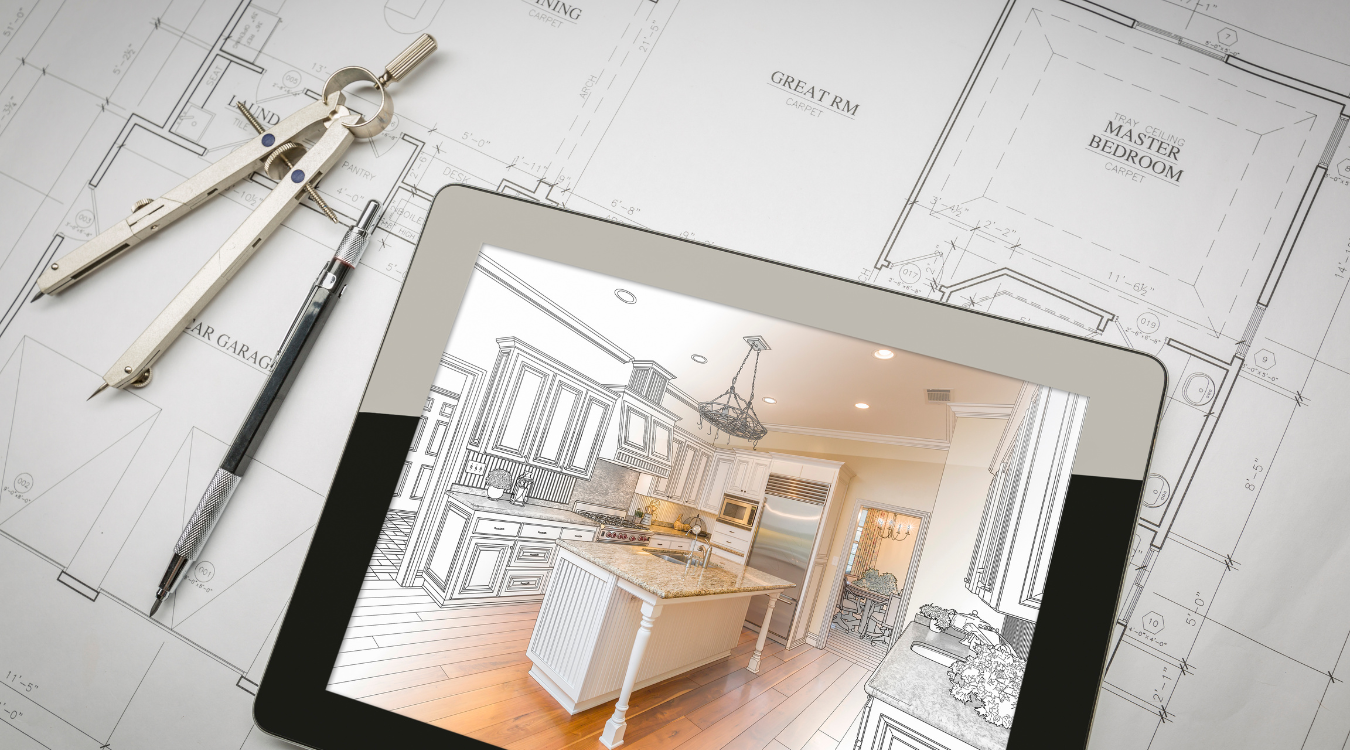
Layouts are explored. Walls are measured. Suddenly, decisions are grounded in space, not just inspiration images. And this is often when people realise that good kitchen design is about flow as much as beauty.
Where do you naturally stand when you make coffee? Do two people cook at the same time? Do children do homework at the island? Do guests always end up in the kitchen no matter how much seating you provide elsewhere?
These everyday moments matter. A well-designed kitchen quietly supports them without drawing attention to itself. Your interior kitchen designer will walk you through each part of your kitchen renovation, allowing your ideas to come to life.
This stage is also where people begin to understand that design is not about squeezing everything in, but about choosing what matters most. Sometimes, removing an idea makes the kitchen better. Sometimes, changing a layout solves problems you didn’t even know you had.
It’s an exciting phase, but it can also challenge assumptions. You may let go of ideas you were initially attached to, only to realise later that the result feels more natural and effortless.
Stage Five: The Decisions That Feel Small (But Aren’t)
Then comes decision-making, lots of it.
Cabinet finishes. Worktops. Handles. Appliances. Lighting. Storage solutions. Every choice feels important because, in a way, it is. These are the details you’ll live with every single day.
This is often the stage where people feel overwhelmed. There are so many options, and so many opinions. One minute you’re confident, the next you’re second-guessing everything.
The key here is context. A finish that looks beautiful on its own may not work in your space. A trend might look great now but feel dated later. Good guidance simplifies this stage, helping you focus on choices that align with your lifestyle, budget, and long-term goals.
When decisions are made thoughtfully, confidence grows. You stop asking, “Is this right?” and start thinking, “I can picture this.”
Stage Six: When Reality Interrupts the Plan
Almost every renovation has a moment where reality steps in.
Maybe a wall isn’t quite where the drawings suggested. Maybe something unexpected is discovered once work begins. Or maybe a lead time changes, forcing a rethink.
These moments can feel stressful, especially when you’ve already invested time and emotion into the vision. But they are also a normal part of renovating an existing home.
What matters most here is communication and adaptability. When challenges are handled calmly and creatively, they rarely define the outcome. In fact, many clients later say that the final solution worked better than the original idea ever would have.
This stage reminds people that renovation isn’t about perfection, it’s about problem-solving with intention.
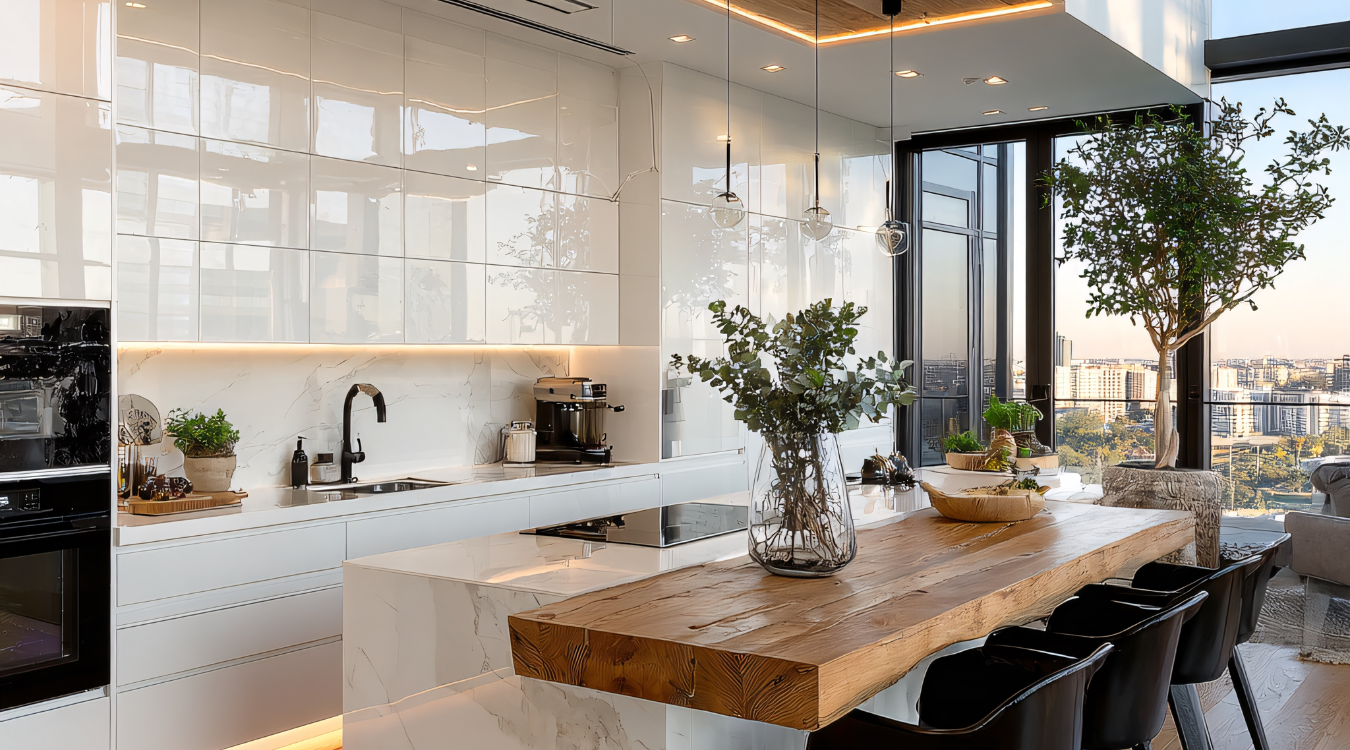
Stage Seven: Watching Your Kitchen Come to Life
This is often the most rewarding stage.
Cabinetry arrives. Surfaces are fitted. The space starts to resemble the kitchen you imagined months ago. After living with disruption, dust, and temporary setups, you can finally see the finish line.
There’s something special about this moment. The first time you stand in the space and realise it works. The first time light falls across the worktop just as planned. The first time you open a drawer and everything has a place.
It’s not just visual satisfaction, it’s emotional. The kitchen feels calmer. More considered. More you.
Stage Eight: Living in Your New Kitchen
The real success of a renovation reveals itself slowly.
It’s in the quiet mornings when everything flows without thinking. In the evenings when cooking feels easier and more enjoyable. In the way people naturally gather around the island without being directed.
A well-designed kitchen doesn’t demand attention. It supports life quietly, day after day. It adapts to routines, welcomes guests, and evolves as your needs change.
This is when people realise they didn’t just renovate a kitchen. They improved the way you live in their home.

Why the Journey Matters More Than You Think
When people look back on their kitchen renovation, they rarely talk only about materials or layouts.
They talk about how supported they felt. How decisions became clearer. How the process felt manageable rather than overwhelming. They talk about feeling heard.
That’s because the journey shapes the outcome just as much as the design itself.
When a kitchen is created through understanding, collaboration, and care, it doesn’t just look good, it feels right. It feels like it belongs.
And that’s what turns a renovated kitchen into the heart of a home.
Looking to renovate your kitchen in 2026?
Book a free consultation with us and let’s look out how you can stop day dreaming about and start living in your ideal kitchen.
You may also want to check out our other blogs
- 5 Controversial Kitchen Design Opinions That Might Change How You Think About Your Space
- What Matters Most in a Kitchen Today
- New Year, New Ideas: Designing Kitchens for the Year Ahead
- Kitchen Trends We’re Predicting for 2026
- The Benefits of an Interior Kitchen Designer When Choosing a Luxury Bespoke Kitchen
- Top 10 Questions to Ask Your Kitchen Designer Before You Sign
- 5 Mistakes I Spotted (and Avoided) When Designing My Luxury Kitchen
- Luxury at Home Starts in the Kitchen: Your Smartest Investment